


The cord that stopped the line
After the Second World War, an engineer named Taiichi Ohno set out to rebuild how Toyota made cars. What he built, the Toyota Production System, is still one of the best lessons in coordinating people, parts and decisions you will find anywhere.
Take kanban, for instance. Each station on the line signals the one before it, with a simple kanban card, when it needs more parts. Parts are not pushed through the factory in big batches. Every step pulls exactly what it needs, so parts arrive just in time and the line moves as one.
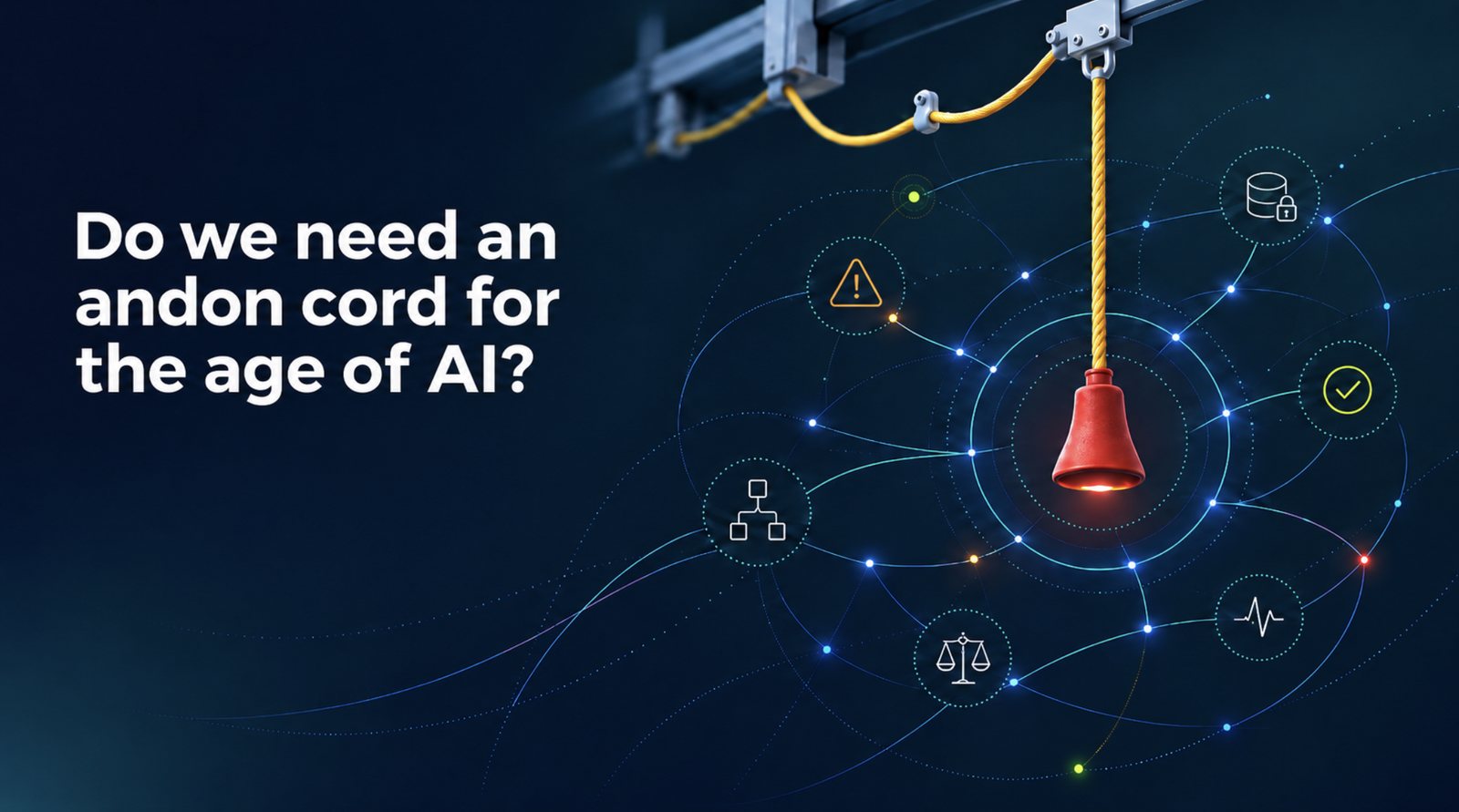
And if something looks wrong? Any worker can pull the andon cord to flag a problem and, if needed, stop the line until it is fixed. Toyota calls it jidoka, or "automation with a human touch." (Not bad for an idea that began with a weaving loom.)
In other words, Toyota built a kill switch into the process and handed it to the people closest to the work.
Now, AI gets one too
This month, one of the world's largest cybersecurity companies launched a kill switch for AI agents. If an AI agent goes rogue, a security team can stop it, block it from restarting and log every move in an audit trail.
In a recent survey of business leaders, 49% of large United States companies have already defined high-risk situations where an agent cannot decide alone. In banking, 75% will not let an agent near sensitive data without a human watching, up from 51% a quarter earlier.
Adoption, meanwhile, is racing ahead of trust. In a separate survey of senior leaders, 70% admitted they cannot yet trust and govern AI agents. Only 5% said their business processes were truly ready for them. (So much for plug and play.)
Built in, not bolted on
There's a difference, though. A kill switch gets pulled after something goes wrong. Toyota's cord sits exactly where the problem first shows up.
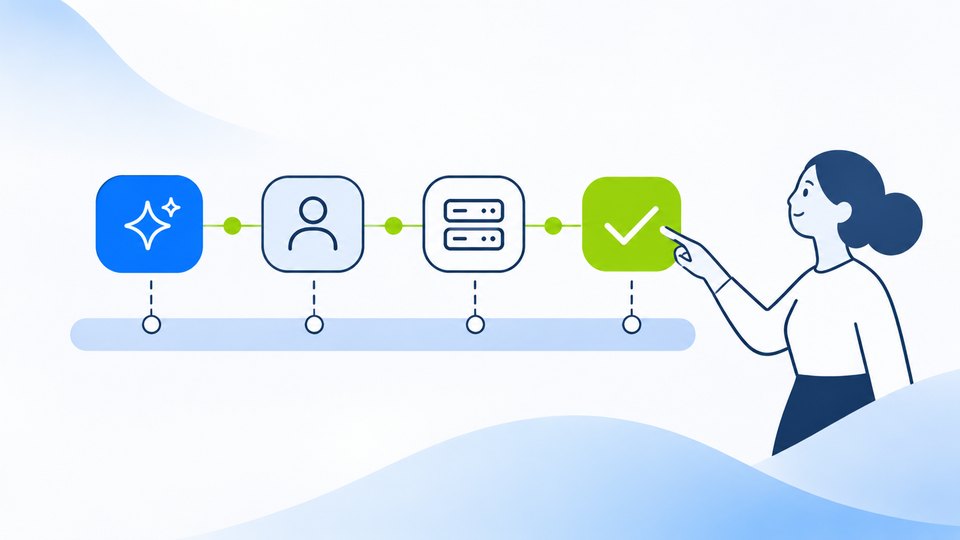
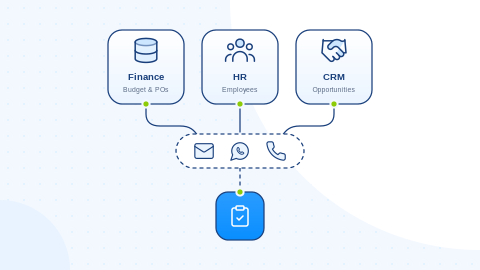
That's what business orchestration gets right. It brings people, systems and agents into one process, with clear rules about who decides what. Approval steps aren't a brake on automation. They're the reason a business can trust it.

Most leaders seem to agree. Three in four say people working alongside AI agents create more value than agents working alone.
Toyota worked that out on a factory floor decades ago. Every business running AI agents will learn the same lesson. It's only a question of time.
It's no secret that businesses are racing to put AI agents to work. The winners won't be the ones running the most agents. They'll be the ones who know exactly where to hang the cord, and who gets to pull it.
The tools have changed since Toyota's day. The cord still belongs in human hands.