


I spent the last few hours trying to replace a traditional workflow tool with Claude. Here is what I learned.
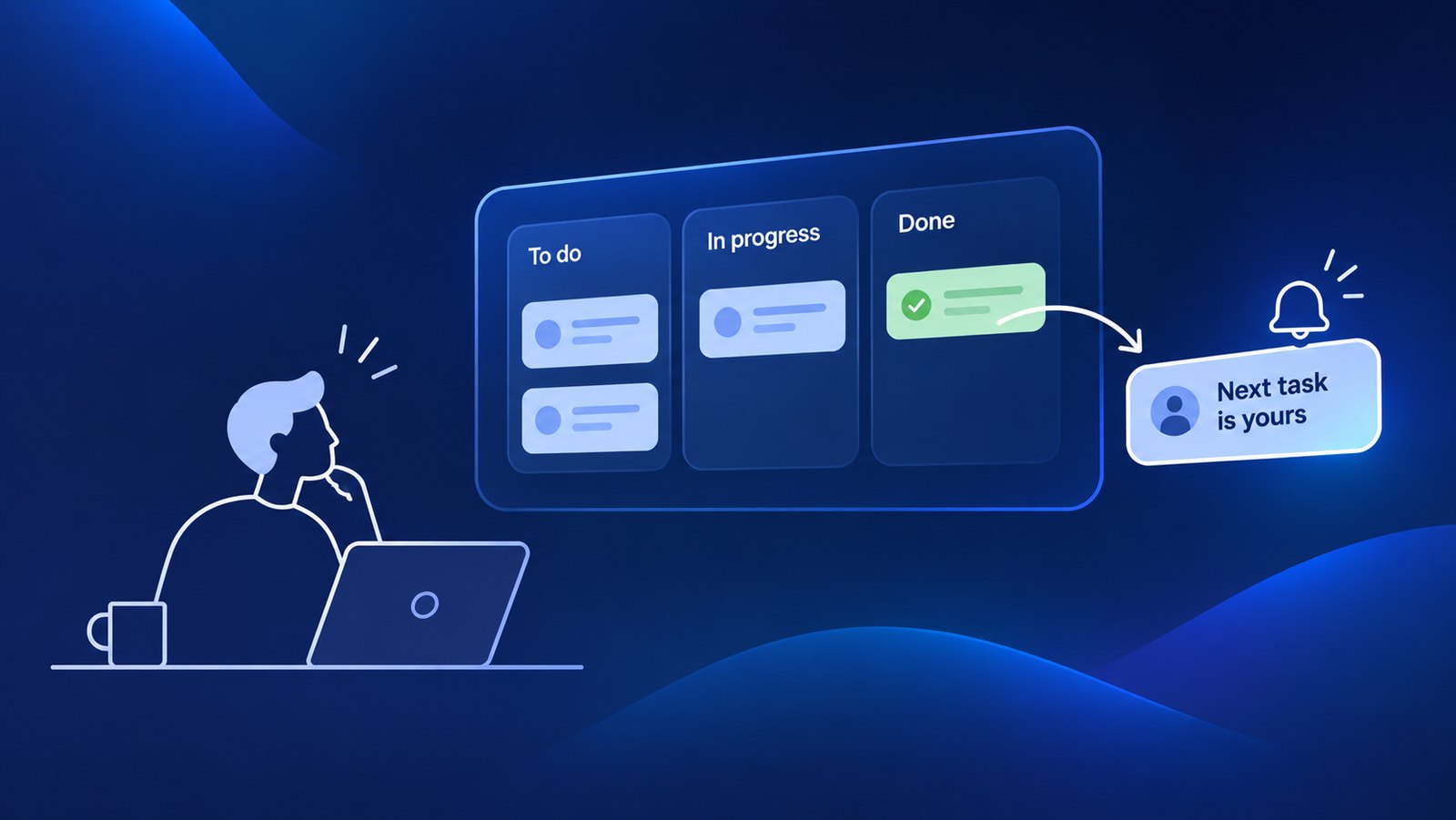
I built a live, shared task board as a Claude Artifact for my marketing team: drag-and-drop status changes, comments, mentions, linked tasks, the works. Then I tried to go one step further: full workflow automation.
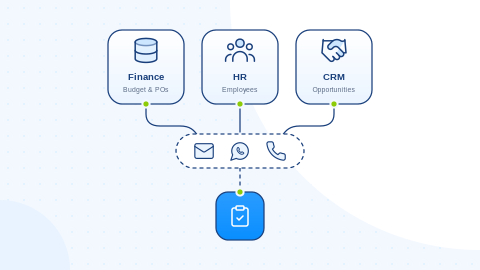
The use case was simple: when one person finishes a task, automatically notify the next person in line and hand off their work, instantly, with no one needing to check a dashboard.
That one, I could not fully pull off. Here is where it got interesting. The reason came down to architecture: a shared board only runs its logic while someone has it open. There is no server sitting behind it, watching for changes and reacting the instant they happen. Getting close to real time meant adding a separate always-on process to check in periodically, which closes most of the gap but not all of it.
What AI nailed: a genuinely intelligent, collaborative board built in days, not sprints. Near real-time automation at a cost of pennies a month. Judgment-based actions: deciding who to notify and how, not just rigid if-this-then-that rules.
Where a dedicated workflow platform still wins: true instant, event-driven triggers, not checks every few minutes but zero latency. Guaranteed delivery, with retries and failure handling, nothing silently dropped. Deterministic logic, where the same input produces the exact same output every single time. And audit trails: a verifiable record of every automated decision, built for compliance.
My takeaway: AI is extraordinary for the thinking layer: the interface, the judgment calls, the what should happen here. But the moment your business needs guarantees that are instant, deterministic, and auditable, you are no longer paying for intelligence. You are paying for infrastructure.
Know where the line is before you build.