




The highest compliment an operations team can pay a platform is to forget it exists. No one praises the system that routed an approval correctly. They simply notice that the approval arrived.
It is an appealing idea. And largely a fair one.
But very often, it is read as a sign that the technology itself matters less. Keep the interface simple, the thinking goes, and the rest will take care of itself.
That is where the problem begins.
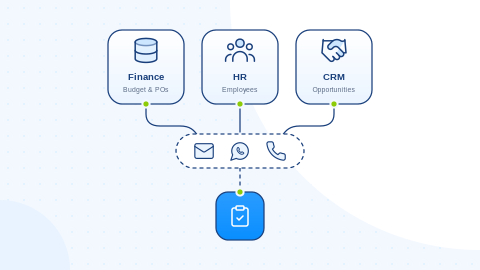
As operations teams, we do want the technology to be invisible. We want requests to reach the right person without a reminder, exceptions to surface before they escalate, and work to move across finance, HR, and procurement without anyone asking who owns what.
But does invisible mean insignificant? Quite the opposite.
For a platform to fade into the background, it has to be exceptionally strong underneath. It must integrate with the systems we already rely on, handle exceptions with precision, stay secure and compliant, and scale when volumes rise without warning. A weak platform never stays invisible for long. It becomes the most discussed part of every process, usually for the wrong reasons.
The strength of the technology, then, is what earns it the right to disappear.
That is the shift operations teams are asking for: robust foundations, quiet execution, and people firmly at the centre of the work.
The orchestration platforms that succeed will be those we rarely have to think about, precisely because they were built to carry the weight.
What does “invisible technology” mean for your operations team?